
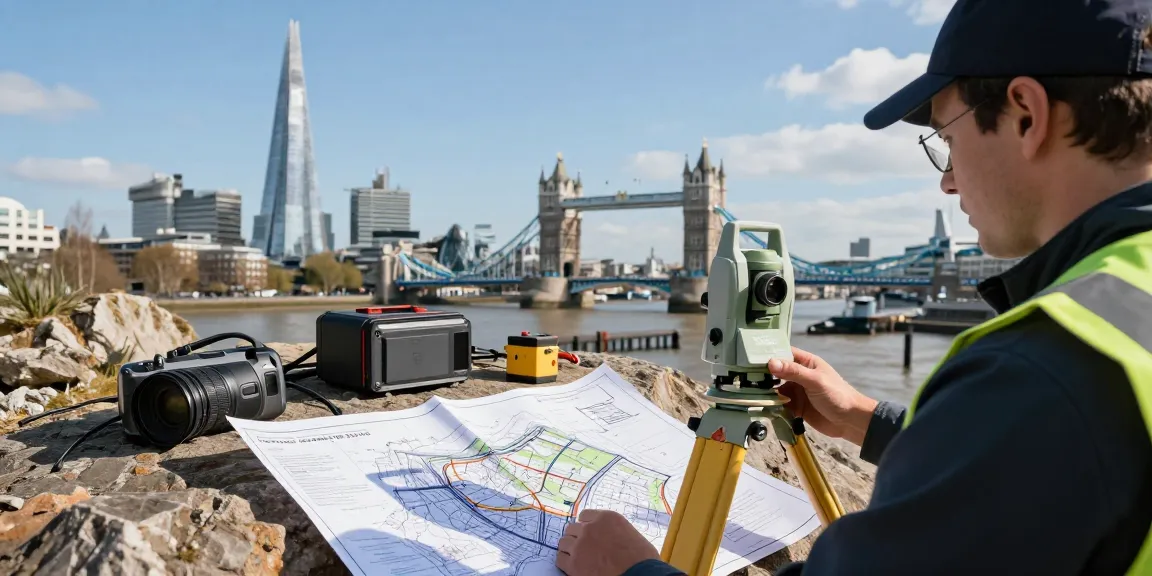
Understanding Topographical Surveys in London
Topographical surveys play a critical role in the planning and development landscape of London. These surveys provide essential data that contributes to informed decision-making for various stakeholders, including architects, engineers, and developers. In an era where precision is paramount, understanding the nuances of Topographical surveys london is vital for anyone involved in land development projects. This article delves into the different aspects of topographical surveys, their importance, and the technology that drives them.
What is a Topographical Survey?
A topographical survey, often referred to as a land survey, topo survey, or terrain survey, is a detailed, scale-based mapping of the natural and man-made features of a particular parcel of land. This type of survey captures critical features such as trees, buildings, elevation changes, and other significant physical characteristics. The resulting map provides architects and engineers with a comprehensive representation of the site, serving as a foundation for informed design and planning decisions.
Importance of Topographical Surveys for Planning
Getting a topographical survey is essential for various reasons, particularly in urban settings like London, where land is both valuable and limited. Here are a few key points highlighting the significance of topographical surveys:
- Accurate Planning and Design: Topographical surveys empower developers to design structures that align with the land’s natural features, ensuring optimal use of space.
- Identify Constraints and Hazards: Elevation changes, flood zones, and unstable ground can significantly impact construction projects. A detailed survey helps identify these features early on.
- Support for Planning Applications: Local authorities often require a topographical survey as part of planning applications to ensure that proposed developments comply with regulations.
- Prevent Costly Errors: Inaccurate site data can lead to structural problems and legal disputes, making a precise topo survey a worthwhile investment.
- Property Boundary Clarity: Combining a topographical survey with land boundary surveys clarifies ownership lines, aiding in resolving disputes and supporting legal documentation.
How They Differ from Other Survey Types
Topographical surveys differ from other types of surveys, such as boundary surveys or construction surveys, primarily in their focus and detail. While boundary surveys focus on the legal aspects of land ownership, topographical surveys provide a detailed overview of the land’s physical features, which is essential for any form of land development.
Who Needs a Topographical Survey in London?
Developers and Construction Teams
Developers and construction teams are primary stakeholders that rely on topographical surveys to plan their projects effectively. Having accurate site data allows these professionals to ensure that construction aligns with local regulations and the site’s unique characteristics.
Architects and Engineers
Architects and engineers use topographical surveys to inform their designs, helping them create structures that harmonize with the natural environment. This is especially important in areas where land contours can significantly affect the stability and aesthetics of a building.
Local Authorities and Planning Bodies
Local authorities and planning bodies often require topographical surveys as part of the planning process. These surveys provide essential data that ensures proposed developments adhere to planning regulations, ultimately contributing to the orderly development of urban landscapes.
Key Equipment Used in Topographical Surveys
Total Station Instruments
Total Station instruments are integral to modern topographical surveys. They combine the functions of a theodolite and electronic distance measurement (EDM) technology, making them ideal for measuring angles and distances with high precision.
GPS Surveying Technology
GPS technology, also known as Global Navigation Satellite Systems (GNSS), enables surveyors to gather accurate positioning data quickly. This technology is particularly useful on expansive or rural sites where traditional methods may be less effective.
3D Laser Scanners and Drones
3D laser scanners, including LiDAR technology, capture millions of data points per second, allowing for detailed 3D modelling of complex terrains. Drones, equipped with high-resolution cameras and photogrammetry software, are instrumental in mapping hard-to-access areas from above, enhancing the accuracy and scope of surveys.
Cost Factors in Topographical Surveys
Typical Pricing for Residential vs. Commercial Projects
The cost of hiring a topographical surveyor can vary widely based on several factors. Small residential plots typically range from £450 to £750, while large commercial or infrastructure sites may cost from £1,500 upwards. The complexity and scale of the survey site significantly influence these pricing tiers.
Complexity of the Survey Site
Complexity is another crucial cost factor. Intricate sites with numerous features, elevation changes, and varied terrains require more extensive surveying work, thereby increasing costs. Conversely, straightforward, flat sites may incur lower fees.
Hidden Fees to Watch Out For
When commissioning a topographical survey, it’s vital to be aware of potential hidden fees. Always ask for a comprehensive quote that outlines all costs involved to prevent unexpected charges that could affect your project budget.
How to Successfully Commission a Topographical Survey
Choosing the Right Surveying Company
Choosing a qualified and reputable surveying company is key to receiving accurate and reliable results. Look for companies with proven track records, positive customer reviews, and proper accreditation within the industry.
Defining Your Project Needs Clearly
Before commissioning a survey, it’s essential to clearly define your project requirements. This includes specifying the type of survey you need and detailing any particular features or data you require. Clear communication ensures that your surveyor can tailor their services to meet your expectations.
Understanding the Deliverables and Outputs
It’s important to understand what deliverables you can expect from the survey and how they will be formatted. Depending on the project, surveys may yield CAD-ready files, 3D models, or simple site plans. Knowing what to expect helps in integrating the survey data into your design workflow.
What to Expect After the Survey
After the survey, you will typically receive a report outlining the findings, such as detailed maps and elevation data. This information is crucial for making informed decisions regarding design and planning.
Future Trends in Topographical Surveys for 2026
As technology advances, so do the methodologies employed in topographical surveys. Future trends are likely to include greater integration of AI in data analysis, enhanced drone capabilities for capturing complex sites, and more user-friendly software for interpreting survey data.
Technological Innovations to Look For
Innovations within surveying technology continue to emerge, ranging from improved GPS accuracy to sophisticated software solutions that facilitate real-time data analysis and integration into planning applications.
Integrating Survey Data into Planning Applications
Integrating topographical survey data into planning applications is essential for ensuring compliance with local regulations. Accurate data improves the likelihood of obtaining planning permissions and contributes to the overall success of development projects.
FAQs about Topographical Surveys
Why are topographical surveys essential for construction?
Topographical surveys are essential in construction as they provide accurate data that informs design, enhances safety, and ensures compliance with planning regulations, ultimately contributing to successful project outcomes.
How long does a topographical survey take to complete?
The time required for a topographical survey varies based on site size and complexity, usually ranging from a few days to a couple of weeks. Factors like the availability of clear access to the site also play a role in timeframes.
What should I provide to the surveyor before starting a survey?
Providing relevant site information, including access details, intended use, and specific concerns or features of interest, enables surveyors to tailor their approach effectively to meet your project’s needs.
Are there any legal requirements for surveys in London?
While not every project requires a topographical survey by law, many local authorities mandate them for planning applications to ensure compliance with zoning and development regulations.
How accurate are modern topographical surveys?
Modern topographical surveys can achieve accuracies down to centimetres, thanks to technological advancements in surveying equipment and methodologies, ensuring reliable data for planning and development decisions.